When looking to improve the energy efficiency of your listed building or historic property, you can reduce carbon emissions while conserving your home’s character to ensure it remains a viable place for future generations. Here, we offer guidance on adapting your heritage home for energy efficiency with approved retrofit modifications to improve your home, including double-glazing options for listed buildings.
As part of our Heritage blog series, here’s our expert guide detailing everything you need to know if you’re looking to make your listed property more eco-friendly!
You can replace the glazing on a listed property where the window frame profiles permit and the existing glass holds no historic interest. However, listed building double-glazing often has to conform to consent rules, such as 12mm glass and set criteria. However, suppose you are replacing your windows entirely to optimise glazing efficiency and minimise frame heat loss. In that case, new double-glazed windows will improve energy efficiency, neglecting the need for secondary glazing. Nonetheless, listed building consent is required for any renovations, replacements, or changes, including glass changes.
Replacing Windows In Listed PropertiesOnce you have the required consent, you can use double or triple-glazing with historic windows. Double glazing benefits listed houses because double—and triple-glazed windows significantly reduce heat loss and noise by cleverly using multiple panes of glass with air vacuums or inert gas between them. Double or triple glazing is permitted as long as replacing your historic windows or panes does not affect the special interest of your Grade II listed building or conservation area property. However, you may need to consider non-standard double-glazing options that uphold Consent Regulations or are slimmer to fit within your traditional window frames.
Secondary glazing is an option if you need a fast fix or cannot use double or triple glazing in your historic home. To achieve this, a second layer of glass is added inside your existing window. Although it can be a permanent solution, it is mostly used as a temporary measure, for instance, when selling a property, awaiting consent, or planning regulations for replacement listed windows. You can even buy secondary glazing kits online. However, secondary glazing still offers energy-saving benefits and can reduce heat loss by over 60% with a low carbon cost.
Secondary glazing is an independent window system that is installed on the room side of existing windows. The original windows remain in place, unchanged and without draught-proofing, which can help prevent possible condensation. Secondary glazing can be available as openable, removable, or fixed units. The openable panels can either be casement windows or sliding sashes, allowing easy access to the external window for cleaning. Both the secondary glazing and the external windows can be opened for ventilation. Additionally, some types of secondary glazing are designed to be removed during warmer months when their thermal benefits are not needed.
Leaded glass windows and encapsulated stained glass are often a hallmark of period homes. Lead windows, known as leadlights, feature decorative panes of glass held together by lead strips, or canes. Encapsulated glass is the process where leaded or stained glass panels are enclosed within a double-glazed unit, effectively creating a triple-glazed window. A method for providing improved thermal and sound insulation while preserving the aesthetic appeal of your decorative windows or original leaded glass that was there before.
Leaded & Encapsulated Glass WindowsThe quick answer is yes—if you own a grade II listed building or live in a conservation area, you can use double glazing as long as all the regional set circumstances apply, such as the windows and glass’ historical significance remains unaffected, secondary glazing being unsuitable, and noise pollution being a factor.
The criteria for double-glazed windows in listed buildings begin with the current windows being beyond reasonable repair and holding no historical significance. Next, secondary glazing is not practical because it would impact the distinctive features of the listed building’s interior. Noise is a further factor; if rooms inside the listed building suffer from constant external noise, such as busy roads and night-time businesses, unacceptable living conditions for occupants enable double glazing. The final consideration is that the replacement windows are high quality and specifically designed for the listed or conservation area building. For instance, they have slimline double glazing no more than 12mm, appropriate frames and glazing bars held in place with putty or age-appropriate fixings, and opening methods in keeping with the property.
The regulations for double glazing with listed buildings can vary from council to council, but in North Yorkshire, the supplementary planning documentation states where double glazing is considered to be acceptable, such double-glazed windows would need to have:
In summary, yes you can add double glazing to a listed property and a property in a conservation area once you have obtained the right consent and advice from your local authority via the Government Planning Portal. There are so many innovative glazing options in the marketplace that even the slimmest profile windows will have improved energy-efficient glass that will make your home warmer, draught-free and green without affecting the construction of your frame. However, we often see the issue lies with any degraded frames, too, so for the best energy savings and draughtproofing, a complete, perfect-fit window replacement with new glazing will provide the optimum results.
Our window designers, manufacturers, and installers, based in Yorkshire, have decades of unparalleled experience with heritage, period, conservation area and listed properties. We embrace the challenge of navigating planning and Listed Building Consent, elevating your vision and seamlessly guiding you toward success. We will help you choose the most suitable thermally-optimised windows for your listed property. We will evaluate your energy ratings, environment, and airflow and solve any design obstacle for your window, ensuring every detail, insulation option, and function is thoughtfully considered to reduce your home’s carbon footprint.
Listed Windows Guide
See case studies of our energy efficient listed window transformations.
Our Projects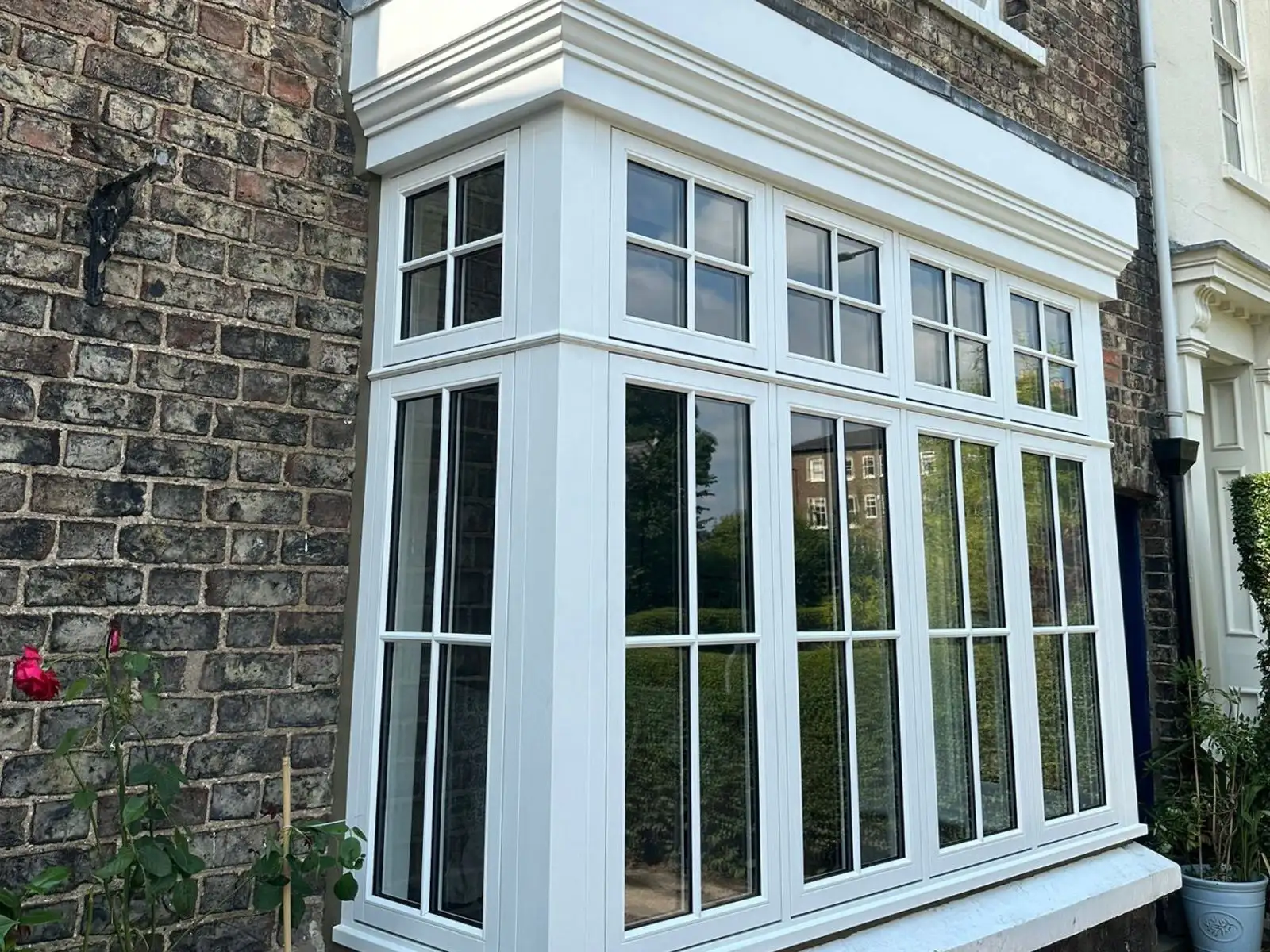
Catch up on more of the latest news from DHW Joinery.


