There are many types of windows, each with a window frame style that suits different properties or spaces in your home. The question is, what are the different types of windows, and which window type is right for my property? Based on our decades of experience, we’ve examined the 5 most popular types of windows below, from casement windows to roof lanterns. Learn more about each window type, its advantages, and styles so you can decide which is best for your home.
What are sash windows? Sash windows are among the most popular timber windows and are perfect for most period properties. Available in a variety of colours and styles, sash window panes remain inside the frame. Except for mock sash windows, they open vertically up or down, with balancers that counter the sash weight.
See Sash Windows
Double hung sash windows can open both ways so the top and bottom half of the window can slide open. Often referred to as box sash they are typical in listed properties.

Single hung sash windows enable only one sash to slide open, the other section is fixed, perfect for period window features to retain simplicity and traditional character.

Sliding sash windows are stacked vertically and use modern spring mechanisms, with one or two moving panels that slide up and down independently. Ideal for breezeways.

Mock sash windows mimick classic sash but instead of a sliding system, mock sash windows are fixed or open like casement or storm-proof windows - styled fixed panes that tilt to open.
What are casement windows? Casement windows open outwards or inwards, usually by pushing a handle or turning a crank – hence their other name: cranking windows. Casement windows open the widest for maximum ventilation. Yet they are nice and tightly sealed when closed – making them highly energy-efficient and secure. One benefit of casement windows is that they are great weather protectors, especially storm-proof casement windows; even in the wettest and windiest conditions, they lock in place and are designed to run water away. Read more about casement windows here.
Our casement windows
The key difference between a stormproof casement and a regular casement is that the windows extrude slightly over the frames to improve weather resistance. The window sits slightly proud of its frame with a surrounding sealed lip, that lip adds extra weather and water protection.

Standard casement windows sits flush within their frame for a minimal and classic casement look. They open outwards, or inwards on side-hinges or top/bottom hinges. Casements are great for design versatility, ventilation and security - they can be fitted with a range of locks.
What are bay windows? A bay window typically comprises 3 protruding panels, making your internal space more spacious. Always looking lovely from inside and out, they allow light to enter from different angles. Your bay windows can also be designed to incorporate a window seating area – perfect for adding new dimensions to a flat wall in living rooms and kitchens!
Our bay windows
Bay windows can function as a casement window or an awning window – where the sash opens near the top (or the bottom) away from the frame, creating an awning type effect.
Bay window tips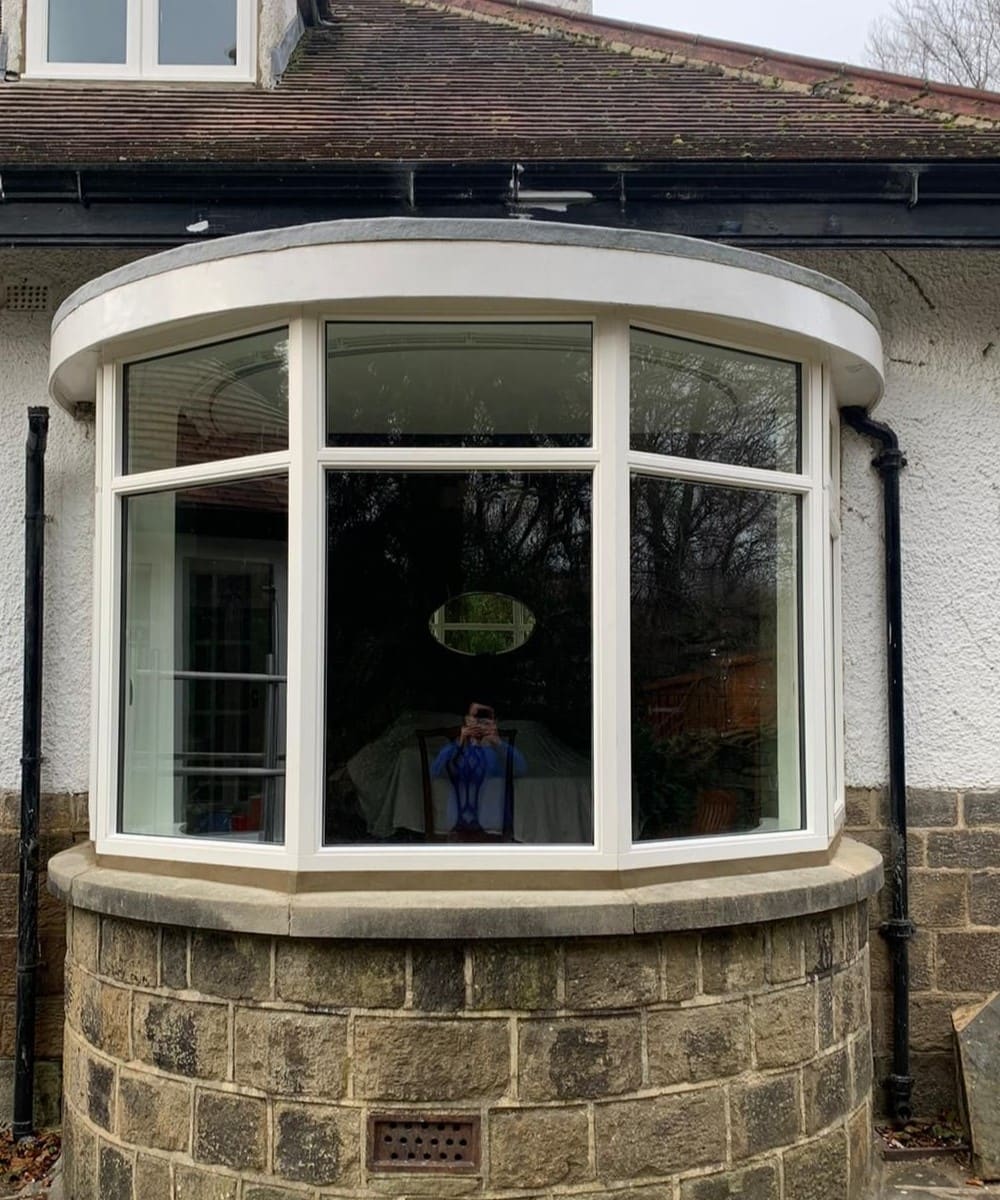
If you prefer something less angular and you are looking for something more curved for a softer corner window, you could also consider a rounded bow window.
Bow windowsFixed windows do not open and are best known as transom and picture window styles. These fixed windows are lesser-known window styles, but they are great for natural light and making a feature! Commonly featured in sunrooms, entrances and gable end windows, they bring life and light to blank spaces.
Our windows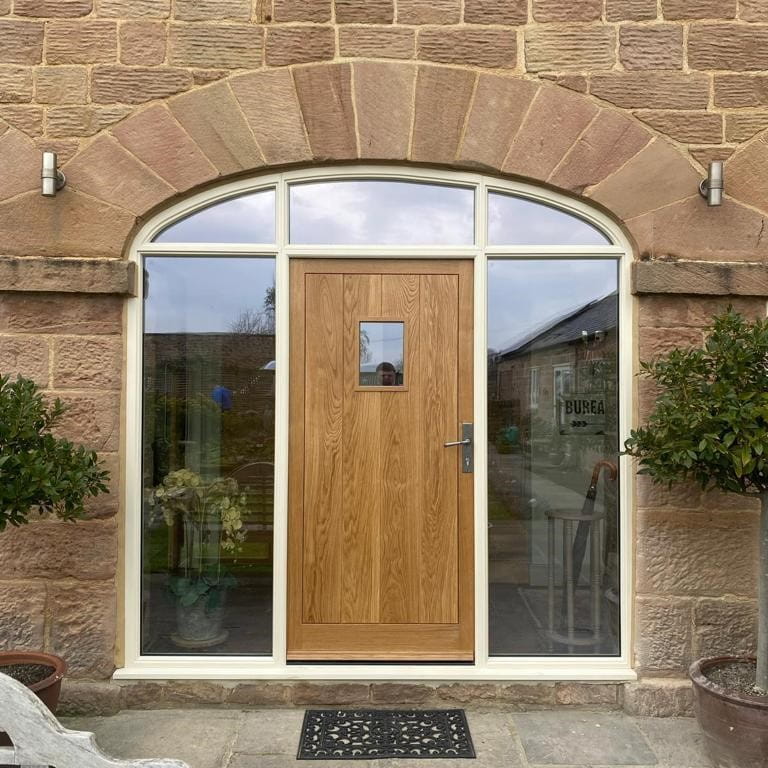
Transom windows are usually located over a window or door’s transom – the beam that separates the top of the window or door from the rest of the wall. You might have seen them around or down the side of front doors (like you can see here) or patio doors. Usually narrow, these windows mount around a door or window, allowing abundant light to flow. We can fit these to open, but they typically remain fixed.
Tips for rooms with views
Picture windows are large panes of glass fitted where an opening window is not needed. They are ideally suited when you have a feature view or require more natural light in your room. In essence, they create a picture of your view. Picture windows are perfect for gable end windows or spaces where you wish to enjoy additional sunlight or stunning vistas.
Case studyTypes of windows set into your roof can be flat skylights, set flush with your roof, or roof lanterns, which are pitched roof windows. A roof lantern is a protruding pyramid that fits on top of a flat roof and lets light in from all sides.
You will see roof windows (or skylights) and roof lanterns in orangeries, conservatories, and small extensions. They are perfect for tight spaces because light floods into your room from the highest point. Depending on the level of ventilation you want, we can design them to open either from the bottom or fitted to tilt. Try roof windows with pre-installed smart blinds between the panes for added convenience.
Our roof lanterns
Our Expert View On How To Choose A Window
"The type of window you choose can depend on the type of property you have - period or modern. And the functions you want for that window and the room itself. Not every window will open and you may want only certain windows to open in a particular way - think of windows in a child's bedroom where they can reach them, for example. ”
- Sharon, Director at David H Wright Joinery
Because there are many types of windows, you must consider the age of your property, the windows’ function, and how/whether they need to open.
For instance, heritage properties are better suited to traditional sash windows, and if you have a listed building, these might be your only option. In comparison, casement windows are usually your best choice if you have a modern home. And as for function, do you want that window to open? Also, let’s consider who the window is for. If it is a child’s room, you will want to consider their reach, how the window opens, and safety functions, for example. This is something we can advise you on.
Your window should match the character of your property while fulfilling the function your lifestyle demands. We’d be delighted to welcome you to our showroom if you are ready to update your windows or require further guidance. Book a visit today with David H Wright Joinery, and we will show you the different options available. Our experienced team will help you create the perfect window plan and budget for your home.
Our workshopCatch up on more of the latest news from DHW Joinery.


